

Mainstream Maintenance for the core applications of SAP Business Suite 7 ends at the close of 2027. For companies still preparing their S/4HANA migration for 2027, the room to manoeuvre keeps getting smaller.

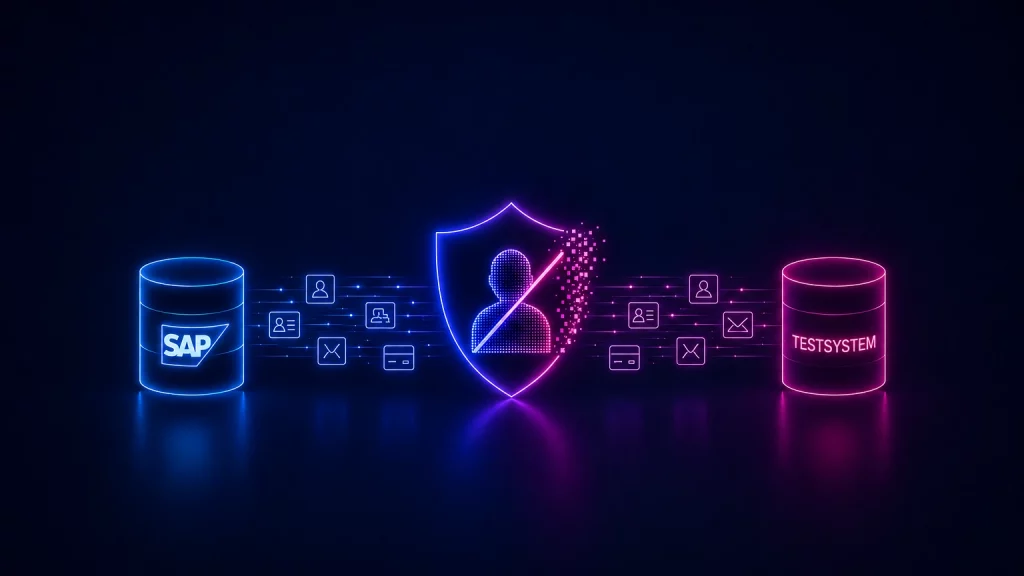
The Smart Scan builds a solid starting point for your migration planning within a week, directly in your SAP system and without data export.
It analyses data quality findings such as duplicates, completeness and consistency. Where it helps, the scan extends to further dimensions, so gaps and dependencies surface early, before they weigh on schedule, budget or resources.
Know where your system stands, before the migration stalls.
The deadline is known. What often stays opaque is the role data quality plays in project effort, test cycles and go-live. Because many data problems only surface once the migration is already running and schedules, budgets and resources are fixed.
The deadline is known. The state of the data, and what it costs, often is not.
Most cost estimates for S/4HANA migrations contain line items for licences, infrastructure, consultants and training. What is regularly missing: a realistic allowance for data cleansing and rework.
There is a simple reason for that. Before the project, the state of the data is often judged to be better than it actually is. IT works with the existing data every day. The business departments know their processes. From that, the impression forms easily that the data base is sufficiently prepared for a migration.
But as soon as data is extracted, transformed, validated and moved into new structures, gaps can become visible: missing mandatory fields, inconsistent assignments, duplicates, format deviations or orphaned records.
What bad data really costs an S/4HANA migration
With S/4HANA, data models, business objects and validation requirements change. That can expose incomplete, inconsistent or incorrectly assigned data that never stood out in previous system operation.
Data problems frequently become visible for the first time during validation. Missing mandatory fields, inconsistent assignments, duplicates or invalid formats can mean that records are not transferred as planned.
Assume that of 200,000 material master records, eight percent carry a migration-relevant error. That leaves 16,000 records to be checked, corrected or assessed by the business, individually or in clusters, in the most critical project phase.
These errors generate rework cycles: data is migrated, the test run shows errors, data is corrected, the test run is repeated. Several cycles instead of the one planned cycle multiply the effort in the most critical project phase.
That in turn can pull a project extension behind it. Data quality problems that only become visible as the project runs stretch the timeline of the S/4HANA transformation. Every additional month means consultant costs, infrastructure costs and opportunity costs, because productive use of S/4HANA is pushed back.
It gets particularly expensive when data problems reach productive operation. Post-go-live corrections can cause operational disruption: faulty postings, incorrect purchase orders or inconsistent reporting. Correcting this in live operation ties up not only the project team but operational units as well.
Data problems that are resolved before the migration can usually be fixed with considerably less effort than the same problems during the migration or after go-live. The later an error is found, the more processes, systems and people it touches.
2026 is the real deadline
The formal deadline falls at the end of 2027. But complex S/4HANA transformations consist of several project phases and can span several financial years.
So the central question is not only: when does the migration start? It is also: which data should be carried over, which quality problems exist, and where are business decisions required?
Create transparency before the migration
The order of preparation shapes how the rest of the project runs. Before data is extracted, transformed and loaded, it should be transparent which quality problems, dependencies and data volumes actually exist.
The result is a transparent inventory. It shows which data objects are affected, where quality gaps sit and which topics should be prioritised before or during the migration. Additional cleansing effort is then not merely assumed, it can be justified against concrete findings.
From analysis to data migration
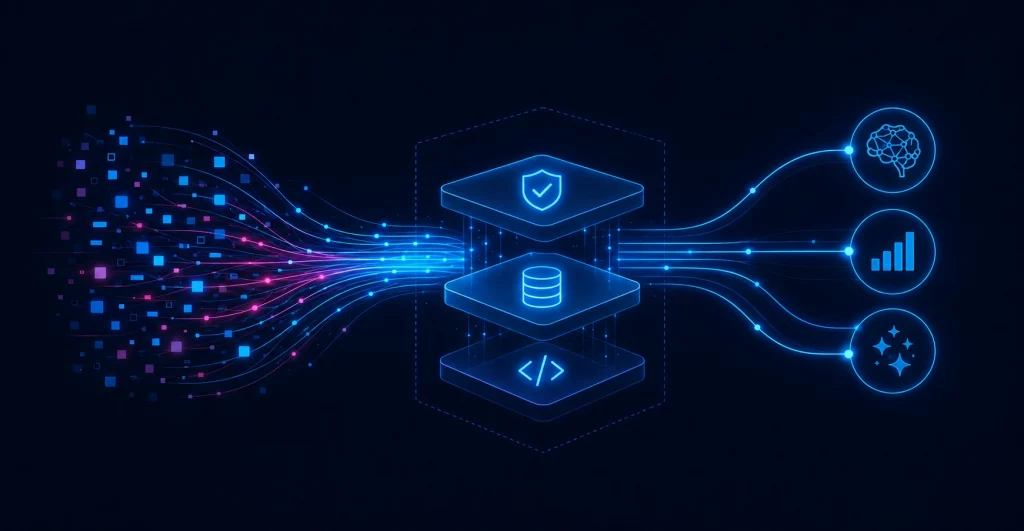
The paricon solutions form one connected chain:
The Smart Scan
creates transparency about your data. It shows where migration-relevant quality problems and anomalies sit.
The Data Quality Framework supports checking and cleansing: rule-based checks, a central cockpit and traceable correction processes.
The Data Migration Framework controls and documents the migration, from analysis and data extraction through checking, correction and mapping to loading and reconciliation.
Companies that think about data analysis, cleansing and migration together create better conditions for plannable projects and stable go-lives: fewer surprises, fewer escalations, less rework.
At the same time, the data quality assessment delivers solid arguments for budget, resources and scheduling. Without concrete findings, additional cleansing effort stays an estimate. With scan results, it becomes something you can defend.